
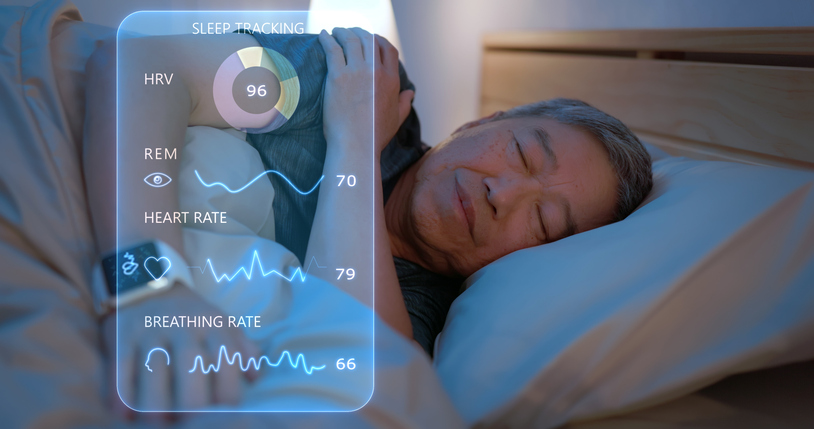
Can't sleep or waking throughout the night? 14 Street Medical Arts offers insomnia evaluation and convenient at-home sleep studies for patients in NYC
Trouble Falling Asleep or Staying Asleep?
Do you lie awake for hours before falling asleep? Wake up repeatedly during the night? Wake too early and can't get back to sleep?
You may be experiencing insomnia, one of the most common sleep problems.
Poor sleep can affect much more than how tired you feel the next morning. Persistent sleep problems can interfere with concentration, memory, mood, work performance, and overall quality of life.
At 14 Street Medical Arts, we evaluate patients with insomnia and other sleep complaints and offer convenient at-home sleep testing when appropriate.
Instead of spending a night in a sleep laboratory, eligible patients can complete certain sleep studies in the comfort of their own home and in their own bed.
What Is Insomnia?
Insomnia means having persistent difficulty getting enough good-quality sleep despite having an opportunity to sleep.
You may have insomnia if you regularly experience:
-
Difficulty falling asleep
-
Waking frequently during the night
-
Difficulty returning to sleep
-
Waking much earlier than intended
-
Light or unrefreshing sleep
-
Daytime fatigue
-
Difficulty concentrating
-
Memory problems
-
Irritability or mood changes
-
Reduced productivity at work
-
Worry or anxiety about being unable to sleep
Occasional sleepless nights happen to almost everyone.
When sleep problems become frequent or persistent and begin interfering with daytime functioning, it may be time for a medical evaluation.
What Causes Insomnia?
There is no single cause of insomnia.
Possible contributors include:
-
Stress
-
Anxiety
-
Depression
-
Irregular sleep schedules
-
Excessive caffeine
-
Alcohol
-
Certain medications
-
Chronic pain
-
Hormonal changes
-
Medical conditions
-
Restless legs
-
Sleep apnea
-
Other sleep disorders
Identifying the underlying problem is important because simply treating the symptom of "not sleeping" may not address the actual cause.
Insomnia May Be Hiding Another Sleep Disorder
Some patients assume they have insomnia because they wake repeatedly throughout the night.
But another sleep disorder may actually be contributing to those awakenings.
One important example is obstructive sleep apnea.
Sleep apnea occurs when breathing repeatedly becomes reduced or interrupted during sleep. These breathing disturbances can fragment sleep, sometimes without the patient realizing why they are waking.
That is one reason a proper sleep evaluation can be important for people with persistent insomnia.
Do You Have Insomnia—or Sleep Apnea?
Sleep apnea and insomnia are different conditions, but they can occur together.
Signs suggesting that sleep apnea may be contributing to poor sleep include:
-
Loud snoring
-
Gasping or choking during sleep
-
Witnessed pauses in breathing
-
Frequent nighttime awakenings
-
Morning headaches
-
Dry mouth in the morning
-
Excessive daytime sleepiness
-
Poor concentration
-
Memory problems
-
Waking up feeling unrefreshed
If you have insomnia along with these symptoms, your physician may recommend testing for sleep apnea.
Sleep Testing at Home
For appropriate patients, 14 Street Medical Arts offers convenient Home Sleep Testing.
A home sleep study allows you to complete testing while sleeping in your own bed rather than spending the night at a sleep center.
You receive the testing equipment and instructions, complete the study at home, and the recorded information is then reviewed as part of your medical evaluation.
For many patients, sleeping in their familiar environment is much more convenient than spending the night in a laboratory.
What Does a Home Sleep Study Measure?
The exact measurements depend on the type of study and equipment being used.
A home sleep apnea test may record information such as:
-
Breathing patterns
-
Airflow
-
Respiratory effort
-
Blood oxygen levels
-
Heart rate
-
Snoring
-
Sleep-related breathing events
This information can help determine whether a patient has evidence of obstructive sleep apnea or another sleep-related breathing problem.
Can a Home Sleep Study Diagnose Insomnia?
This is an important distinction.
A conventional home sleep apnea test is primarily designed to evaluate suspected sleep apnea, not to diagnose every possible cause of insomnia.
Insomnia is generally diagnosed through a detailed medical and sleep history. Depending on the symptoms, a physician may recommend additional evaluation or different types of sleep monitoring.
At 14 Street Medical Arts, the goal is not simply to hand every patient the same sleep test.
We first evaluate your symptoms and determine which type of testing, if any, is appropriate for your particular sleep problem.
Why Do a Sleep Study at Home?
For eligible patients, at-home testing offers several advantages:
-
Sleep in your own bed
-
Remain in your normal home environment
-
Avoid an overnight stay at a sleep center
-
Convenient setup
-
Easy return of equipment
-
Diagnostic information for appropriate sleep disorders
-
Less disruption to your normal nighttime routine
For busy New Yorkers, this can make completing an important sleep evaluation considerably easier.
Insomnia, Memory, and Concentration
Poor sleep can make it difficult to think clearly during the day.
Patients with persistent sleep problems frequently complain of:
-
Brain fog
-
Forgetfulness
-
Difficulty concentrating
-
Reduced attention
-
Slower thinking
-
Difficulty completing tasks
-
Poor work performance
Sometimes patients become concerned that these symptoms indicate a neurological problem when inadequate sleep may be contributing significantly.
Persistent or worsening cognitive symptoms should still be discussed with a healthcare professional so that other possible causes can be considered.
Insomnia and Your Mood
Sleep and emotional health are closely connected.
Persistent insomnia can occur alongside:
-
Anxiety
-
Stress
-
Depression
-
Irritability
-
Difficulty controlling emotions
The relationship can work in both directions. Stress and anxiety can make it harder to sleep, while repeatedly sleeping poorly can make daytime stress and emotional symptoms more difficult to manage.
A comprehensive evaluation should consider both sleep and overall health.
Insomnia and Alcohol
Some people use alcohol because they believe it helps them fall asleep.
Although alcohol may initially make a person feel sleepy, it can interfere with normal sleep quality later in the night and contribute to fragmented sleep.
Alcohol can also worsen sleep-disordered breathing in some people.
If you regularly use alcohol to help yourself sleep, discuss it with your physician.
How Is Insomnia Treated?
Treatment depends on what is causing the sleep problem.
Your physician may recommend:
-
A consistent sleep schedule
-
Changes to bedtime habits
-
Reducing evening caffeine
-
Limiting alcohol
-
Managing stress
-
Addressing medications that may interfere with sleep
-
Treating underlying medical problems
-
Evaluation for sleep apnea
-
Cognitive behavioral therapy for insomnia (CBT-I)
-
Medication when medically appropriate
For chronic insomnia, CBT-I is an important evidence-based treatment and is commonly recommended as a first-line approach.
What If My Home Sleep Study Shows Sleep Apnea?
If testing identifies obstructive sleep apnea, treatment depends on its severity, symptoms, medical history, and other factors.
Treatment options may include:
-
Lifestyle changes
-
Weight management when appropriate
-
PAP/CPAP therapy
-
Oral appliance therapy for selected patients
-
Positional strategies
-
Evaluation of contributing conditions
-
Other sleep-medicine treatment when appropriate
Treating sleep apnea may improve sleep quality and can also be important for overall health.
Who Should Consider a Sleep Evaluation?
Consider scheduling an evaluation if you regularly experience:
-
Difficulty falling asleep
-
Frequent nighttime awakenings
-
Chronic insomnia
-
Loud snoring
-
Gasping during sleep
-
Excessive daytime sleepiness
-
Morning headaches
-
Poor concentration
-
Memory problems
-
Persistent fatigue
-
Unrefreshing sleep
You don't have to wait until poor sleep becomes severe before discussing it with a healthcare professional.
Why Choose 14 Street Medical Arts for Sleep Evaluation?
At 14 Street Medical Arts, patients have access to comprehensive medical care for sleep-related symptoms.
Our services include:
-
Sleep Medicine evaluation
-
Insomnia evaluation
-
Home Sleep Testing
-
Sleep apnea evaluation
-
Primary care
-
Pulmonology
-
Neurology
-
Cardiology
-
Diagnostic testing when medically appropriate
Because sleep problems can overlap with respiratory, neurological, cardiovascular, and general medical conditions, our multi-specialty approach allows patients to receive coordinated evaluation when necessary.
Convenient Manhattan Locations
East 14 Street MedicalArts
332 East 14th Street
New York, NY 10003
West 14 Street MedicalArts
110 West 14th Street
New York, NY 10011
Columbus Ave MedicalArts
912 Columbus Avenue
New York, NY 10025
Radiology MedicalArts
500 East 14th Street
New York, NY 10009
We serve patients throughout Manhattan, the East Village, Union Square, Gramercy Park, Chelsea, Greenwich Village, Flatiron District, the Upper West Side, and surrounding New York City neighborhoods.
Frequently Asked Questions About Insomnia and Home Sleep Studies
Can I do a sleep study at home?
Yes. Eligible patients can complete certain sleep studies at home. Your physician will determine whether at-home testing is appropriate based on your symptoms and medical history.
Do I have to sleep at a hospital?
Not necessarily. A home sleep study allows appropriate patients to complete testing in their own bed.
Can a home sleep test detect sleep apnea?
Yes. Home sleep apnea testing is specifically designed to help diagnose obstructive sleep apnea in appropriate patients.
Can sleep apnea cause insomnia?
Yes. Sleep apnea can repeatedly interrupt sleep and may contribute to difficulty staying asleep. Some patients can have both sleep apnea and chronic insomnia.
Can insomnia cause memory and concentration problems?
Poor sleep can contribute to difficulty concentrating, forgetfulness, daytime fatigue, and reduced cognitive performance.
What if I can't fall asleep during the home test?
Tell your healthcare provider if you have significant difficulty sleeping during the study. They can determine whether the recording contains enough useful information or whether additional evaluation is necessary.
Is snoring always sleep apnea?
No. Not everyone who snores has sleep apnea. However, loud snoring—particularly when accompanied by witnessed breathing pauses, gasping, choking, or significant daytime sleepiness—should be discussed with a healthcare professional.
Stop Struggling With Sleepless Nights
If you spend night after night trying to fall asleep, waking repeatedly, or waking exhausted in the morning, it may be time to find out why.
At 14 Street Medical Arts, we provide evaluation for insomnia, sleep apnea, snoring, daytime fatigue, and other sleep problems, with convenient at-home sleep studies for appropriate patients.
Sleep in Your Own Bed. Test at Home.
Schedule a sleep evaluation with 14 Street Medical Arts and find out whether a home sleep study may be appropriate for you.
About 14 Street Medical Arts
14 Street Medical Arts is a multi-specialty medical practice serving patients throughout New York City. Our services include Sleep Medicine, Pulmonology, Neurology, Cardiology, Primary Care, diagnostic imaging, and advanced diagnostic testing at convenient Manhattan locations.