
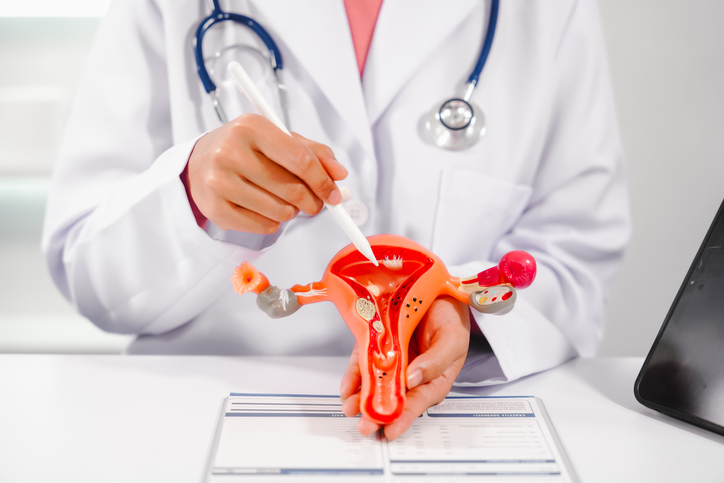
Uterine Fibroids Treatment in NYC with Dr. Karl Zhang
Heavy Periods, Pelvic Pain, or Abdominal Pressure? Fibroids May Be the Cause
Are you experiencing heavy menstrual bleeding, pelvic pain, abdominal pressure, frequent urination, or an enlarged abdomen?
These symptoms may be caused by uterine fibroids, common noncancerous growths that develop from the muscle tissue of the uterus.
Some women have fibroids without any symptoms. For others, fibroids can cause significant bleeding, pain, pressure, anemia, and disruption of everyday life.
At 14 Street Medical Arts, Dr. Karl Zhang evaluates patients with symptomatic uterine fibroids and helps determine appropriate treatment options based on the size and location of the fibroids, severity of symptoms, overall health, and the patient's individual goals.
What Are Uterine Fibroids?
Uterine fibroids—also called leiomyomas or myomas—are usually benign growths that develop in or around the uterus.
Fibroids can vary considerably in size and location. A woman may have a single fibroid or multiple fibroids at the same time.
According to the American College of Obstetricians and Gynecologists (ACOG), fibroids can develop within the uterine wall, inside the uterine cavity, or along the outside of the uterus.
Common Symptoms of Fibroids
Fibroids do not always cause symptoms.
When symptoms occur, they may include:
-
Heavy menstrual bleeding
-
Periods lasting longer than usual
-
Painful menstrual cramps
-
Bleeding between periods
-
Pelvic pain
-
Pelvic pressure or fullness
-
Lower abdominal discomfort
-
Lower back pain
-
Enlarged abdomen
-
Frequent urination
-
Difficulty emptying the bladder
-
Constipation
-
Pain during sexual intercourse
Heavy or prolonged bleeding can also contribute to anemia, which may cause fatigue, weakness, dizziness, or shortness of breath. These are among the recognized symptoms and complications associated with uterine fibroids.
Are Fibroids Cancer?
Uterine fibroids are almost always benign, meaning they are not cancer.
However, abnormal bleeding, pelvic pain, abdominal enlargement, or a pelvic mass should still be properly evaluated because other gynecological conditions can produce similar symptoms.
Meet Dr. Karl Zhang
Dr. Karl Zhang provides evaluation and treatment consultation for women experiencing symptoms associated with uterine fibroids at 14 Street Medical Arts.
If you have been told that you have fibroids—or are experiencing heavy periods, pelvic pressure, abdominal discomfort, or other concerning symptoms—Dr. Zhang can evaluate your condition and discuss appropriate treatment options.
The goal is to develop an individualized approach rather than assuming every woman with fibroids needs the same treatment.
How Are Uterine Fibroids Diagnosed?
Evaluation may begin with a detailed medical history and physical examination.
Depending on your symptoms, additional testing may include:
-
Pelvic Ultrasound
-
Laboratory testing
-
Evaluation for anemia
-
MRI when medically appropriate
-
Additional gynecological testing when indicated
Ultrasound is commonly used to create images of the uterus and pelvic organs and can provide important information about fibroids. MRI may be used in selected circumstances to provide additional anatomical detail.
Do All Fibroids Need Treatment?
No.
Small fibroids that are not causing symptoms may not require immediate treatment.
Treatment becomes more important when fibroids cause problems such as:
-
Heavy or painful periods
-
Anemia from blood loss
-
Bleeding between periods
-
Persistent pelvic pain
-
Significant pressure symptoms
-
Rapidly changing symptoms
-
Fertility concerns
The appropriate treatment depends on the patient's symptoms, fibroid characteristics, age, medical history, and reproductive plans.
Treatment Options for Uterine Fibroids
There is no single treatment that is appropriate for every patient.
Depending on your individual situation, treatment options may include:
Medication
Certain medications can help control symptoms such as heavy menstrual bleeding or painful periods.
Medication may be appropriate for some patients, particularly when symptoms are mild or when a patient wants to postpone a procedure.
Myomectomy
A myomectomy removes fibroids while leaving the uterus in place.
Different surgical approaches may be considered depending on the number, size, and location of the fibroids.
Uterine Artery Embolization (UAE)
Uterine Artery Embolization, sometimes called uterine fibroid embolization, is a minimally invasive treatment in which small particles are delivered into the arteries supplying the fibroids.
Reducing the fibroids' blood supply causes them to shrink over time.
ACOG notes that UAE can reduce fibroid-related bleeding, pressure, and pain and can generally be performed without major surgery. It is usually performed by an interventional radiologist.
Other Treatment Options
Depending on the individual patient, additional procedures or surgery may be considered.
The best approach depends on your symptoms, fibroid characteristics, desire for future pregnancy, and overall medical condition.
Fibroids and Heavy Menstrual Bleeding
One of the most common reasons women seek treatment for fibroids is heavy menstrual bleeding.
You should consider evaluation if your periods have become:
-
Much heavier than previously
-
Longer than usual
-
Associated with large blood clots
-
Severe enough to interfere with work or daily activities
-
Associated with fatigue or weakness
Chronic heavy bleeding can cause iron-deficiency anemia.
Treating the underlying fibroids may significantly improve quality of life for appropriate patients.
Fibroids and Frequent Urination
Large fibroids can create pressure on nearby pelvic structures.
When a fibroid presses against the bladder, a patient may experience:
-
Frequent urination
-
Urinary urgency
-
Pelvic pressure
-
Difficulty completely emptying the bladder
Fibroids can also place pressure on the bowel and contribute to constipation or difficulty with bowel movements.
Fibroids and Fertility
Some women are concerned about whether fibroids can interfere with pregnancy.
Many women with fibroids become pregnant without difficulty. However, certain fibroids—depending on their size and location—may contribute to fertility or pregnancy problems.
For women who want to become pregnant in the future, reproductive plans are particularly important when selecting a treatment.
Treatment decisions should therefore be individualized and discussed carefully before proceeding.
Why Choose Dr. Karl Zhang at 14 Street Medical Arts?
Patients experiencing fibroid symptoms can receive comprehensive evaluation with convenient access to additional medical and diagnostic services through 14 Street Medical Arts.
Dr. Zhang evaluates patients experiencing:
-
Uterine fibroids
-
Heavy menstrual bleeding
-
Pelvic pain
-
Pelvic pressure
-
Abdominal fullness
-
Frequent urination related to pelvic pressure
-
Other symptoms associated with fibroids
Our goal is to help patients understand their diagnosis and determine an appropriate treatment strategy.
Convenient Manhattan Locations
14 Street Medical Arts serves patients throughout New York City at convenient Manhattan locations:
East 14 Street MedicalArts
332 East 14th Street
New York, NY 10003
West 14 Street MedicalArts
110 West 14th Street
New York, NY 10011
Columbus Ave MedicalArts
912 Columbus Avenue
New York, NY 10025
Radiology MedicalArts
500 East 14th Street
New York, NY 10009
We conveniently serve patients throughout the East Village, Union Square, Gramercy Park, Chelsea, Greenwich Village, Flatiron District, Upper West Side, and surrounding New York City neighborhoods.
Frequently Asked Questions About Fibroids
What are the most common symptoms of uterine fibroids?
Heavy menstrual bleeding, pelvic pressure, abdominal discomfort, painful periods, frequent urination, constipation, and lower back pain are among the possible symptoms.
Are uterine fibroids cancerous?
Fibroids are almost always benign. However, new or unexplained pelvic symptoms and abnormal bleeding should be evaluated by a healthcare professional.
Can fibroids be treated without hysterectomy?
Yes. Depending on the patient, alternatives may include medication, myomectomy, uterine artery embolization, and other approaches. Not every patient requires a hysterectomy.
Can fibroids be treated without major surgery?
For appropriately selected patients, minimally invasive options such as uterine artery embolization may be considered. Treatment must be individualized.
Should I get an MRI for fibroids?
Not every patient needs MRI. Ultrasound is commonly used to evaluate fibroids. MRI may be recommended when additional information about their number, size, location, or anatomy is clinically useful.
When should I see a doctor?
Consider an evaluation if you have persistent pelvic pain, heavy or prolonged periods, abdominal pressure, frequent urination, or previously diagnosed fibroids that are becoming more symptomatic.
Schedule a Fibroid Consultation with Dr. Karl Zhang
If you have been diagnosed with uterine fibroids—or are experiencing heavy periods, pelvic pain, abdominal pressure, bloating, or frequent urination—schedule an evaluation with Dr. Karl Zhang at 14 Street Medical Arts.
Fibroids do not always require treatment, but when symptoms begin affecting your health or quality of life, it is important to understand your options.
Dr. Zhang can evaluate your symptoms, review appropriate diagnostic testing, and discuss an individualized treatment strategy.
About 14 Street Medical Arts
14 Street Medical Arts is a multi-specialty medical practice serving New York City through convenient Manhattan locations. We provide primary care, specialty medicine, diagnostic imaging, ultrasound, MRI, laboratory testing, preventive care, and coordinated healthcare services for patients throughout Manhattan.